
Services
Custom web & mobile app development
Custom web and mobile applications — built around your process, not the other way around, from your first sketch to a working product.
Software built around a real workflow
Some projects outgrow what a normal website can reasonably do — a registration system with real payment processing, a scheduling tool with its own rules, a customer portal that needs to talk to other software. That's where this work starts: scoping the actual workflow first, then building around it instead of asking the business to adapt to an off-the-shelf tool that almost fits.
That includes the parts that aren't visible to the end user — the payment, scheduling, or third-party integrations that make the front end actually work — and it includes what happens after launch. Support doesn't stop at handoff.

What's included
- Scoped around your actual workflow, not a generic template
- Payment, scheduling, and API integrations
- Built to scale with the business, not past it
- Support after launch, not just at handoff
Case study: Certification Tracking App
Century Seven also designs and builds Certification Tracking App, a SaaS product for tracking employee certifications, licenses, and training records before they expire. It's the same kind of work this page describes — scoped around a real workflow, not assembled from a generic template.
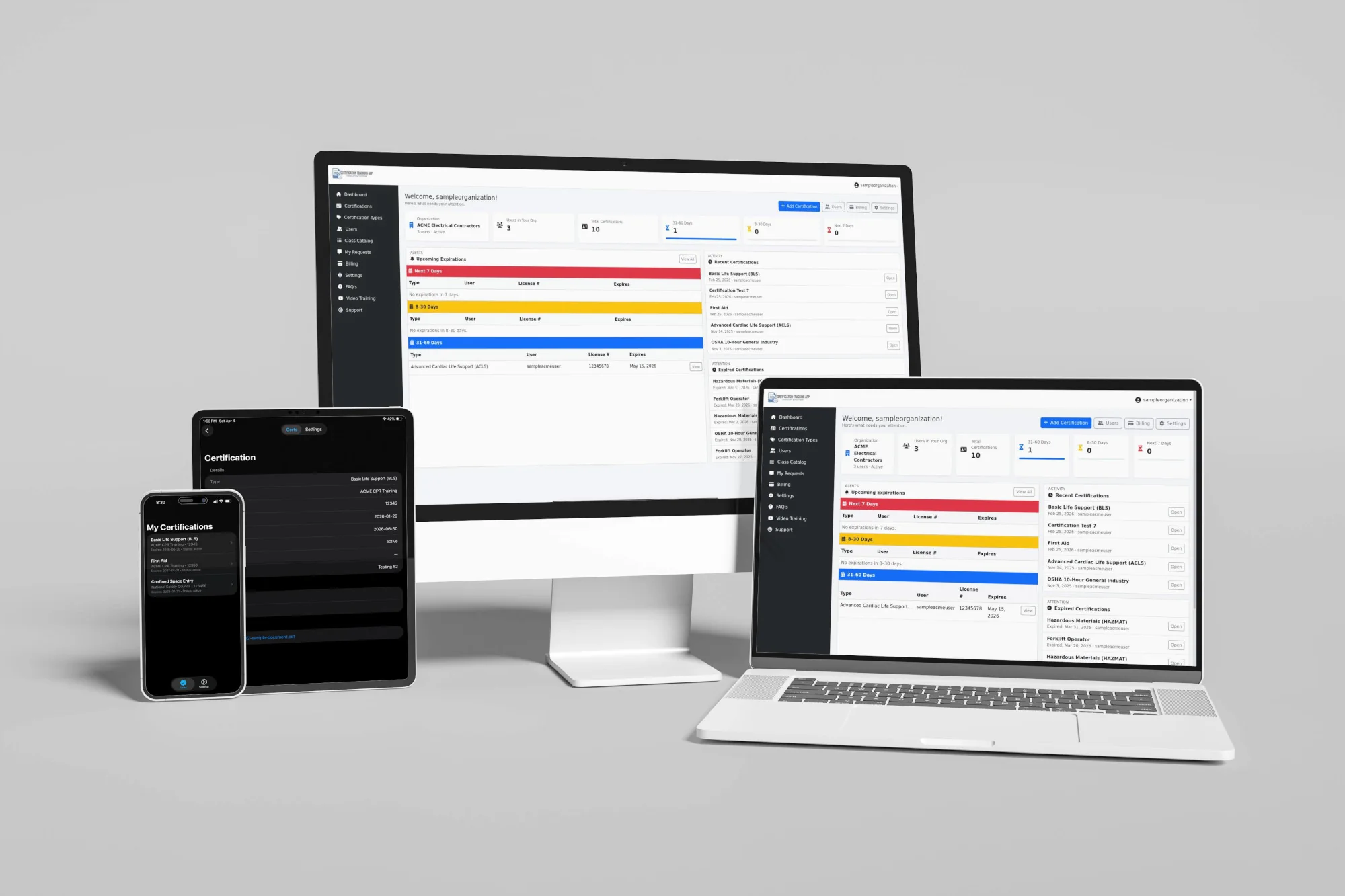
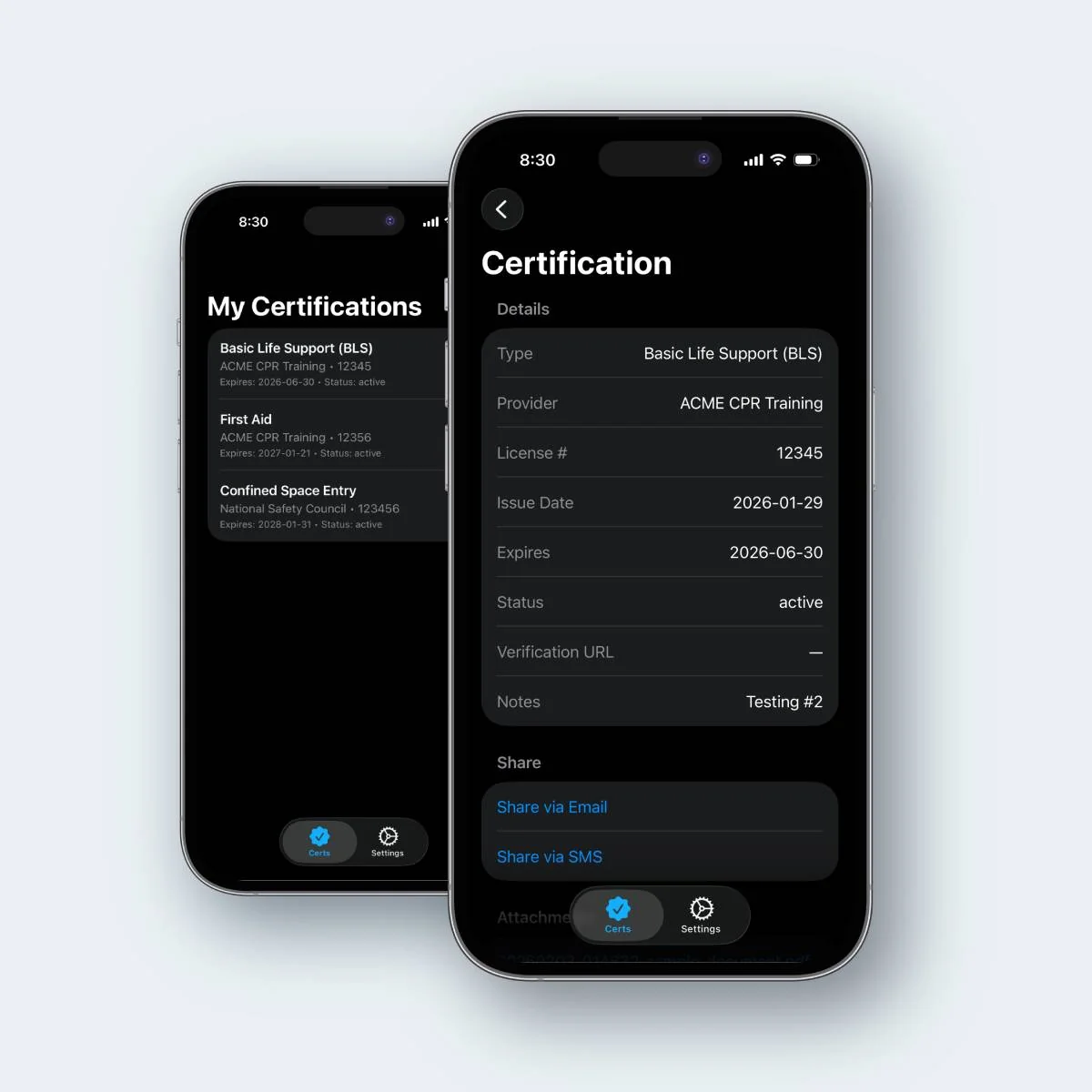
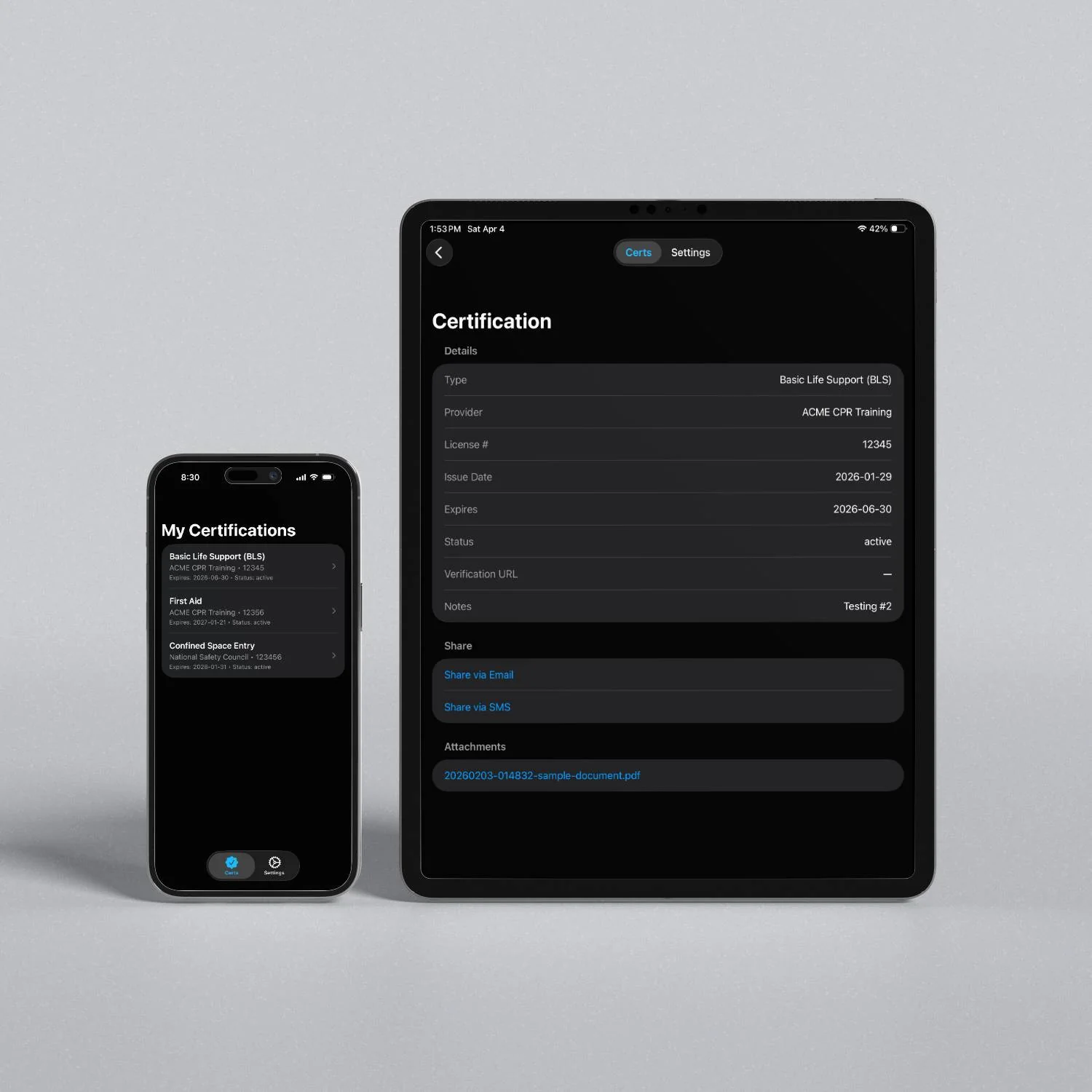
- A mobile app so field teams can pull up their own certifications on-site
- A web dashboard for admins to track every certification across the organization at a glance
- Automatic alerts as certifications approach expiration
- Sharing certifications by email or SMS, with supporting documents attached
- Built for industries like construction, electrical, healthcare, and government
Start with the workflow and the people using it
A useful application starts with a clear account of who does what, which information they need, and where the current process breaks down. Customer portals, internal dashboards, and mobile tools often involve different permissions and different day-to-day tasks. Defining those requirements first gives the project a practical scope.
Connect the application to the rest of the business
Payments, scheduling, and external APIs can be as important as the screens a user sees. Planning those connections includes how records move between systems and what happens when information is missing or a request fails. The application should support a manageable process for the staff responsible for it.
A website, a store, or custom software?
Some projects are best served by WordPress or a WooCommerce store with focused extensions. Others need their own software. Read our platform comparison or describe your workflow so we can discuss a suitable starting point.